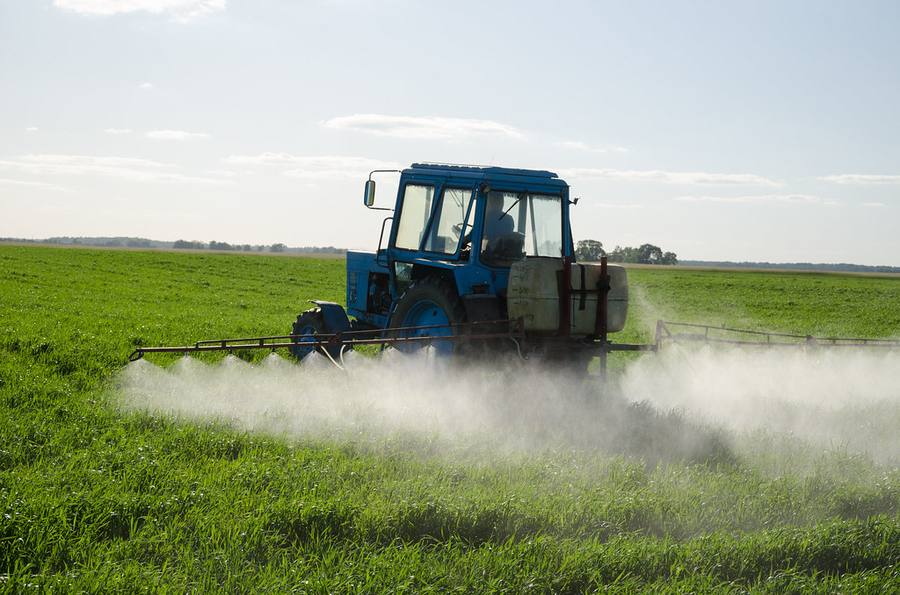
Every spray pass faces the same enemy: wind. Fine mist that misses the leaf rides the breeze into hedgerows, ponds and pollinator strips — exactly where it must never land. Two seasons ago we rebuilt our whole spraying setup around that single fact.
The heart of the change is a set of air-inclusion nozzles that wrap each droplet in a tiny air bubble. The bubbles make big, heavy droplets that fall fast onto the leaf instead of hanging in the air, while keeping full coverage where the crop needs it.
Why drift matters
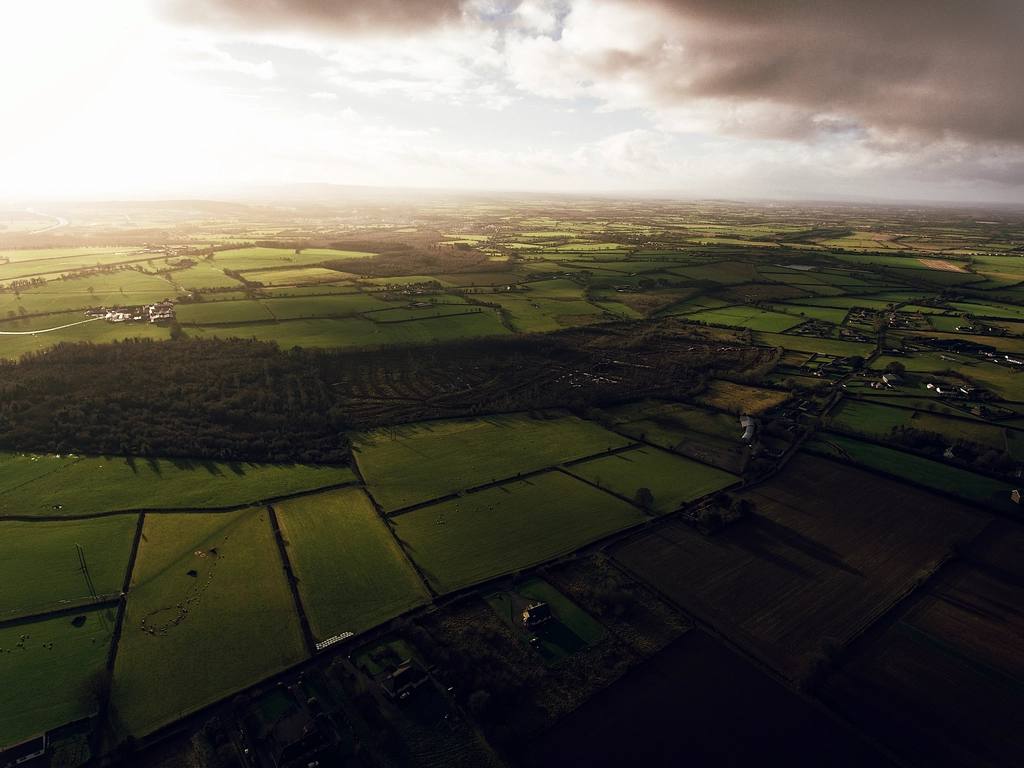
Our hedgerows hum with bumblebees all summer, and the pond at the bottom field hosts frogs the crew has named. Drift does not just waste product — it breaks the trust of everything living around the crop.
Buffer rows of tall rye now line the windward side of every sprayed block, and the sprayer stays parked when the wind tops a gentle breeze. Some evenings that means waiting a day; the field notes say the patience pays.
Spray that lands anywhere but the leaf is spray wasted — and wildlife we promised to protect.
Our low-drift setup
Pressure stays low, the boom rides half a metre above the canopy, and travel speed never hurries. Before each pass the operator runs clean water through one nozzle into a jug for ten seconds — if the flow is off, the nozzle gets swapped, not argued with.
The result is quieter in every sense: fewer refill stops, no chemical smell drifting over the farm gate, and beneficial insects still working the rows the morning after a pass. Precision turned out to be gentleness with better plumbing.